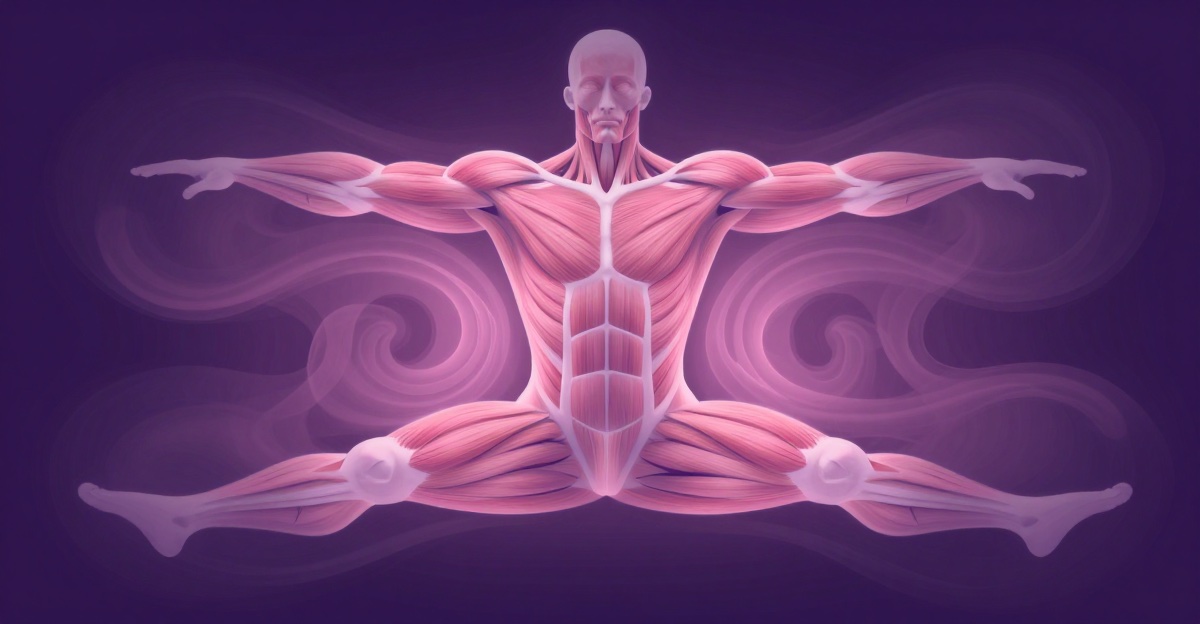
How to Recognize It
To spot PMR in yourself, pay attention to areas of your body where you tend to hold tension, such as the neck, shoulders, or jaw. Notice when these areas feel tight and how this relates to stressful thoughts or situations. Recognize the contrast between tensing and relaxing muscles and how it affects your emotional state. This pattern can be a protective mechanism that helps manage stress and anxiety.
Impact
PMR can significantly improve relationships by reducing irritability and increasing patience. It enhances well-being by lowering stress levels and promoting relaxation, which can lead to better sleep and reduced pain. Long-term practice of PMR can build resilience against stress and improve overall emotional health, fostering a more balanced and calm inner state.
Healthier Alternatives
- •Mindfulness meditation
- •Deep breathing exercises
- •Yoga and stretching routines
- •Guided imagery relaxation
- •Aromatherapy with calming scents
Using Inner
In Inner, you can track your muscle tension levels before and after practicing PMR. Ask yourself questions like: 'Where do I feel tension in my body?' and 'How does this tension relate to my current emotional state?' Journal about the differences you notice between tensing and relaxing specific muscles. Reflect on how these changes affect your overall sense of calm and well-being without self-judgment.
Try Inner for FreeSources & References
- —Gross, J.J. - Handbook of Emotion Regulation
- —Gross, J.J. - The Extended Process Model of Emotion Regulation
- —Brackett, M. - Permission to Feel (RULER Framework)
- —Neff, K. - Self-Compassion: The Proven Power of Being Kind to Yourself
Related Content
Relief
A feeling of reassurance and relaxation following release from anxiety.
Anxiety
A feeling of worry, nervousness, or unease about something with an uncertain outcome.
Sympathetic Activation State
The mobilization system. Perceiving danger and preparing to fight or flee.
Grounding Techniques
Using sensory awareness to anchor oneself in the present moment during emotional overwhelm.
The Self
The archetype of wholeness and the regulating center of the psyche.
Ocean
A vast body of water, often representing emotions, the unconscious, or vastness.