Jungian Perspective
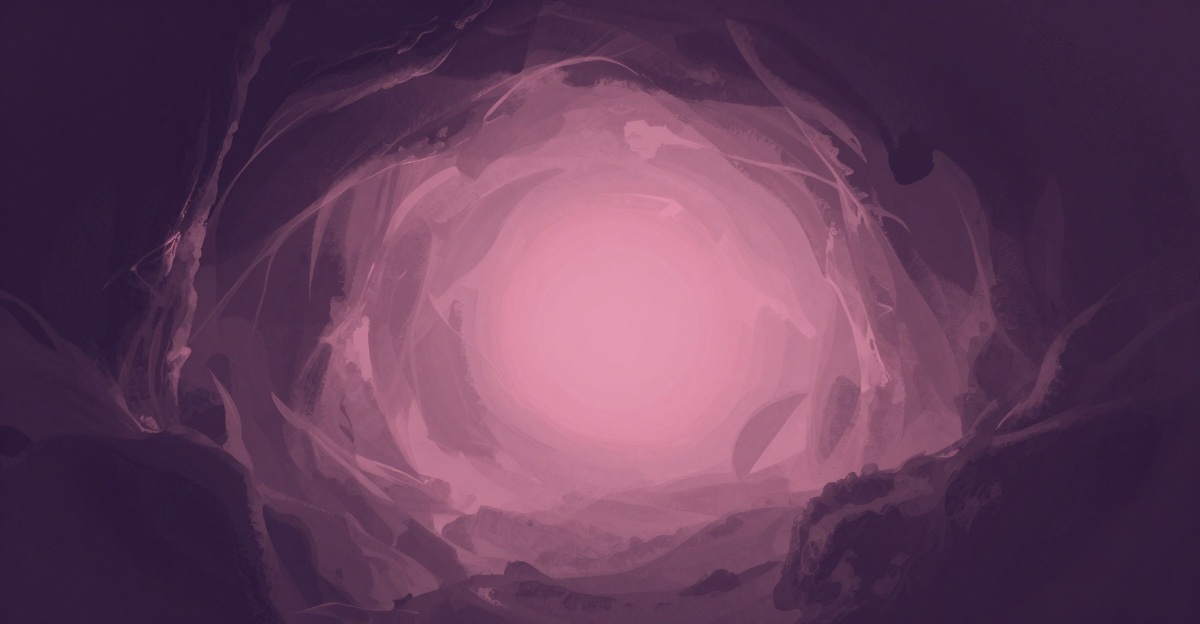
From a Jungian perspective, caves represent the unconscious mind, where repressed emotions, memories, and archetypal forces are stored. Caves can be seen as gateways to the inner world, symbolizing the journey of self-discovery and transformation. They often appear in dreams when there is a need to confront or integrate these hidden aspects of the psyche. Jung emphasized that such symbols are personal and context-dependent, reflecting the unique experiences and psychological landscape of the dreamer.
Freudian Perspective
In Freudian theory, caves can be interpreted as symbolic representations of the womb, reflecting themes of birth, rebirth, and regression to a primal state. They may also symbolize hidden or repressed desires and fears. While Freud did not provide specific quotes about caves in dreams, he often emphasized the importance of exploring such symbols to uncover unconscious conflicts.
Using Inner
Use Inner to track the appearances of caves in your dreams. Journal about the emotions, sensations, and symbols associated with these dreams. Notice patterns over time, such as recurring themes or changes in how you interact with the cave. Reflect on what aspects of yourself might be hidden or need exploration.
Try Inner for FreeSources & References
- —Jung, C.G. - Man and His Symbols
- —Freud, S. - The Interpretation of Dreams (Public Domain)
- —Traditional dream interpretation literature
- —Cross-cultural dream symbolism research
Related Content
Basement
An underground room, often representing the unconscious, repressed memories, or foundation.
Shadow Figure
Dark unknown person, often representing the shadow self or unconscious aspects.
The Shadow
The unconscious aspect of personality containing rejected or repressed qualities.
Water
Liquid element, often representing emotions, the unconscious, or life force.
Maze
Complex pathway, often representing confusion, search for meaning, or complexity.
Darkness
Absence of light, often representing the unconscious, fear, or mystery.