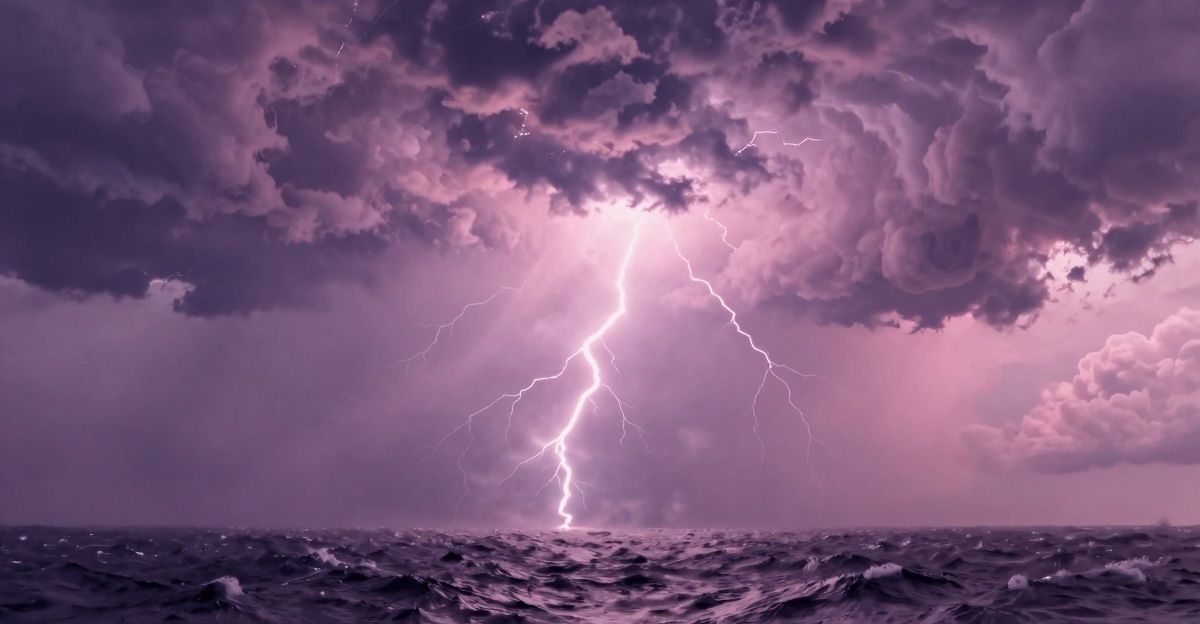
Jungian Perspective
From a Jungian perspective, storms represent the dynamic and often chaotic forces within the unconscious. They can symbolize the eruption of repressed emotions or unresolved conflicts that need to be addressed for personal growth. Storms may also reflect the process of individuation, where the individual integrates various aspects of the self, including the shadow and the anima/animus. Jung believed that such intense experiences are necessary for psychological development and can lead to a more balanced and integrated personality.
Freudian Perspective
In Freudian theory, storms may symbolize repressed sexual or aggressive impulses that are threatening to break through into consciousness. These dreams could indicate unresolved conflicts from early life experiences, particularly those involving parental figures. Freud might interpret the storm as a manifestation of internal turmoil and the need for catharsis to release pent-up emotions.
Using Inner
Use Inner to track the frequency and intensity of storm dreams. Journal about the specific emotions and situations that coincide with these dreams. Notice patterns over time to understand how storms in your dreams relate to real-life challenges and emotional states. Explore any recurring symbols or themes within the storm imagery, such as lightning, wind, or rain, to gain deeper insights into your unconscious mind.
Try Inner for FreeSources & References
- —Jung, C.G. - Man and His Symbols
- —Freud, S. - The Interpretation of Dreams (Public Domain)
- —Traditional dream interpretation literature
- —Cross-cultural dream symbolism research
Related Content
Tornado
Dreams of tornadoes or violent storms, often representing emotional turmoil, sudden change, or overwhelming forces.
Fighting
Physical conflict, often representing inner conflict or confrontation.
Killing
Causing death, often representing ending something or aggression.
The Shadow
The unconscious aspect of personality containing rejected or repressed qualities.